

If you've been paying even the slightest bit of attention to the news lately, India's aerospace sector isn't just growing — it's hitting a different gear entirely.
Looking back at 2025, it felt like the year the world finally stopped and took notice of what we're capable of. We saw the foundations being laid for the Gaganyaan mission and a real push toward indigenous tech. But if you think that was the peak, 2026 has been even more of a wake-up call. It's no longer just about planning; it's about execution.
Mission Aagaman
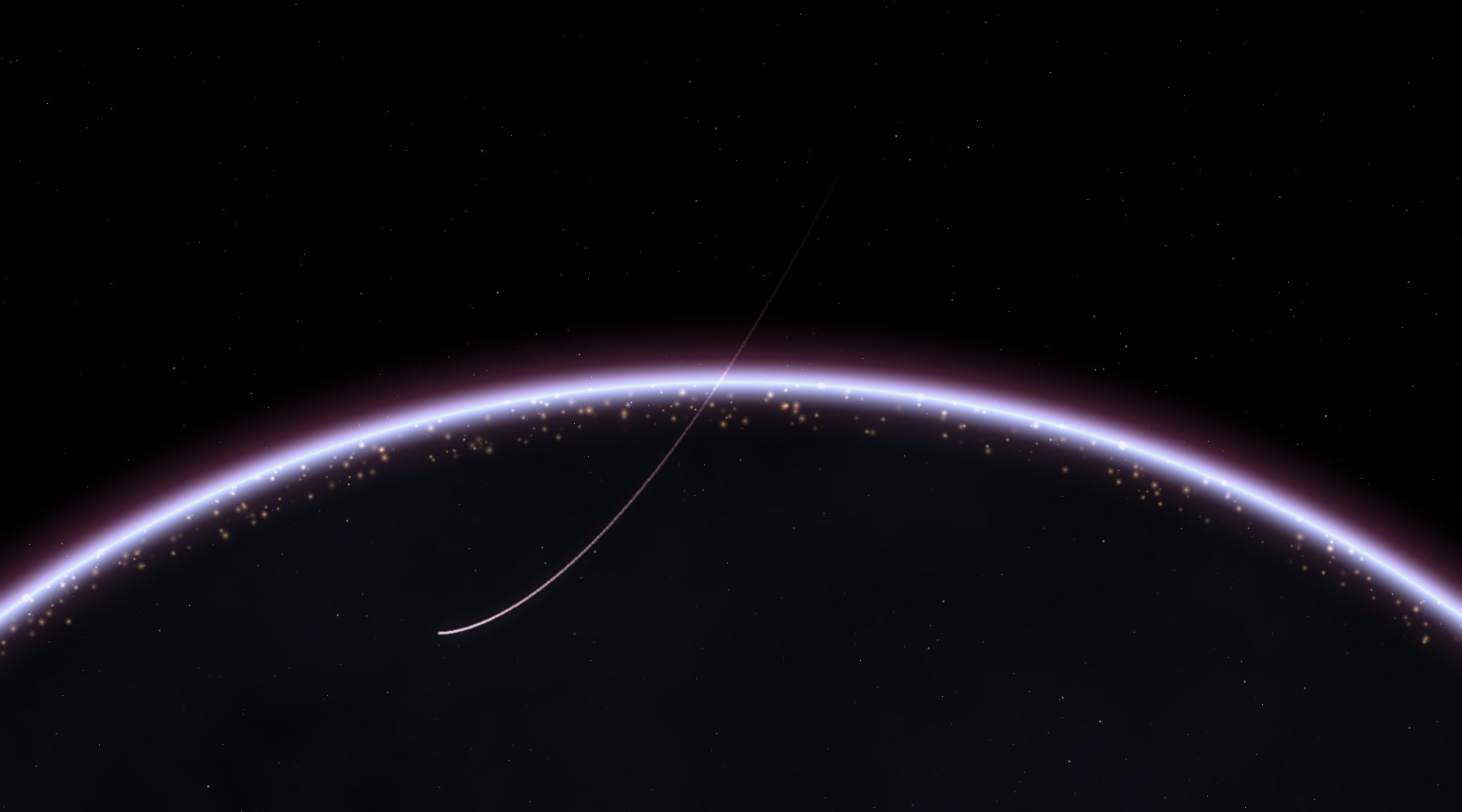
In July 2026, Skyroot Aerospace's Vikram-1 lifted off from Sriharikota and did something no Indian private company had ever done before: it reached orbit on its very first attempt. That single mission made India only the third country in the world, after the US and China, to have a private company capable of launching an orbital-class rocket.
This wasn't a government satellite riding on decades of institutional infrastructure. This was a private team, built largely by people not much older than us, betting on an idea and pulling it off. If there was ever a moment that proved India's aerospace story no longer belongs to ISRO alone, this was it.
The focus has shifted from “can we do it?” to “how can we do it better and faster?”
We spend a lot of time talking about the big stuff like the Tejas Mk2 and the AMCA, and rightfully so. Seeing India take control of its own defence and engine manufacturing is honestly surreal. It's one thing to buy tech, but it's a completely different level of pride to know we're designing and mastering the most complex turbomachinery ourselves.
But the heart of this transformation is in the smaller, everyday spaces. Drone technology has moved way beyond just “cool tech demos”. We are seeing them actually doing the heavy lifting now, delivering life-saving medicines to the most unreachable corners of the country, keeping an eye on our farmers' crops, and providing a lifeline during disasters. That is what the “Viksit Bharat” vision is really about: tech that actually touches lives.
It's no longer just a “government project” space; it's an ecosystem. If you're a student today, you're looking at opportunities in robotics, AI-driven aerospace solutions, and deep-tech collaborations with the likes of DRDO, HAL, and now a growing wave of private players like Skyroot that simply didn't exist for our seniors.
It's easy to get caught up in the “what,” but what truly matters is “who” and “how.” We're in the middle of a massive shift where being part of the aerospace story is becoming an achievable reality for the youth of this country. It's not just about rocket science; it's about taking ownership of where we want to be by 2047.
The progress seen through the first half of 2026 is just the beginning of a journey defined by milestones we are yet to create.
Published by Infinity Space Club · UPES, Dehradun